


Protecting biodiversity
Cetacean Protection Zones to limit collisions with marine megafauna
In order to reduce the risk of collision between the Ultims and marine megafauna as much as possible, exclusion zones representing breeding and feeding grounds for cetaceans have been created at several points along the route. The Share the Ocean scientific consortium has defined these zones based on scientific criteria, statistical modelling and reported collisions. These exclusion zones are designed to protect the marine megafauna that contribute to the proper functioning of ecosystems and the maintenance of biodiversity. They also contribute to the safety of the ARKEA ULTIM CHALLENGE-Brest sailors and their boats.
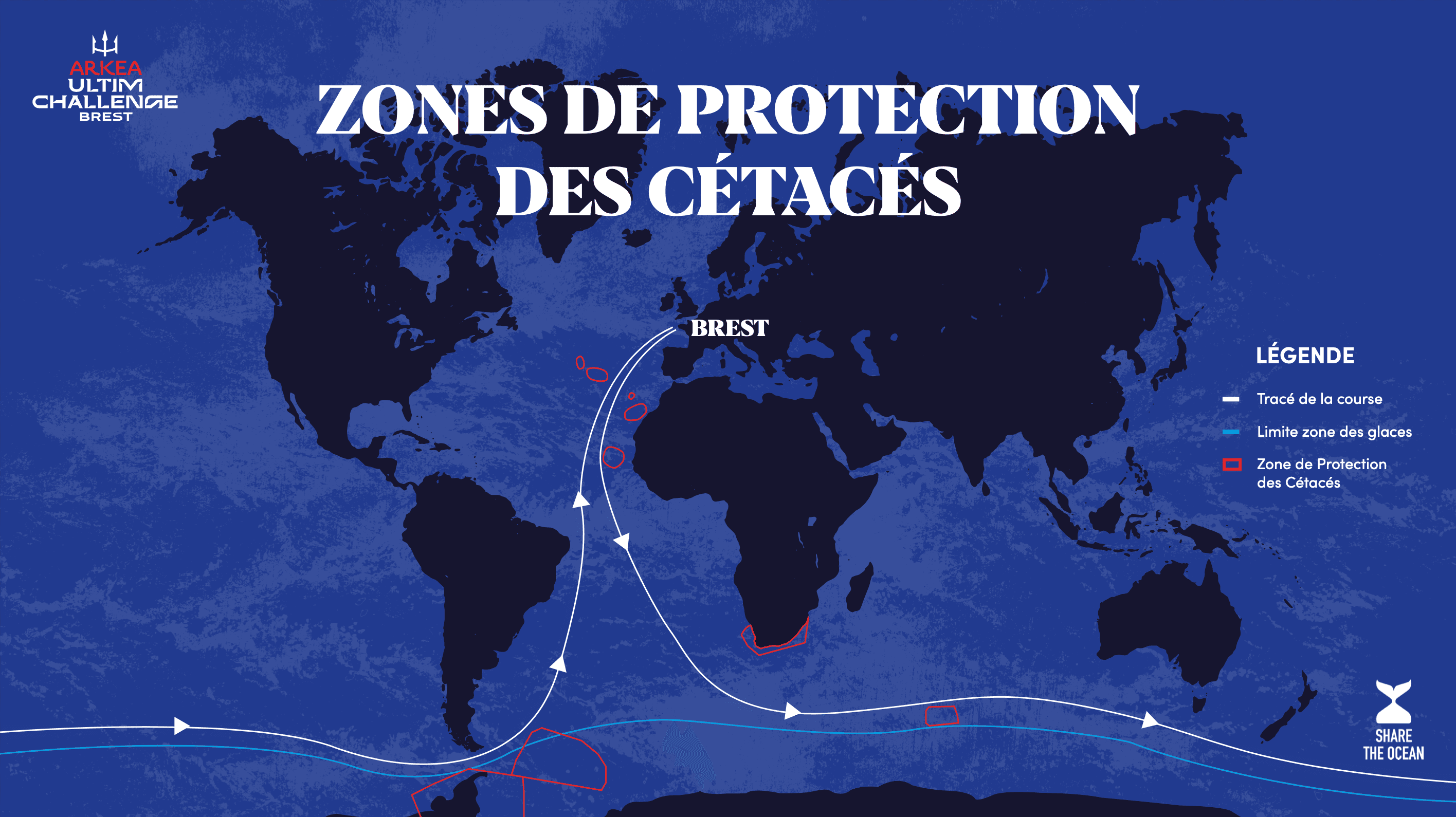
The different Cetacean Protection Areas
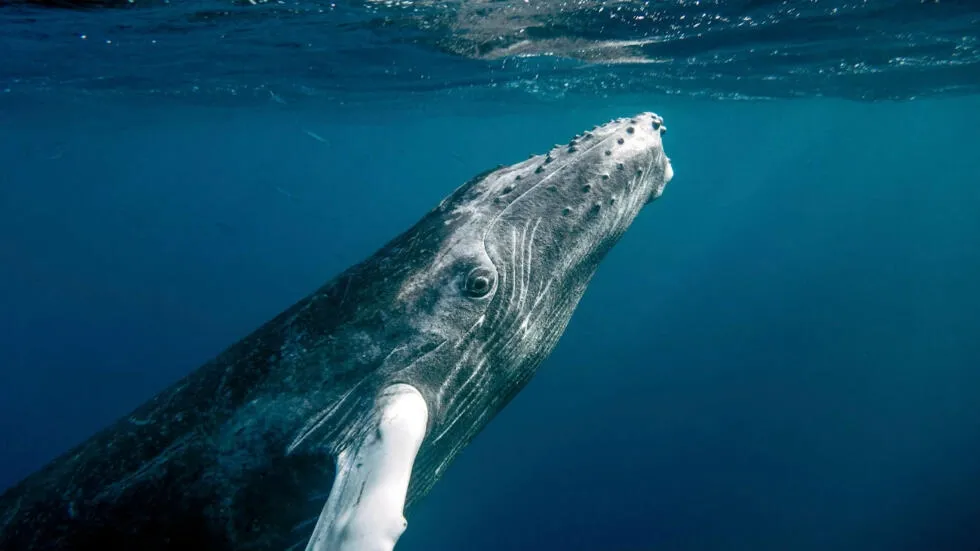
AZORES
The Azores are an essential area for cetaceans, as they breed, feed and pass through on their migratory route, when they migrate between Arctic waters during the boreal summer to feed and tropical waters during the boreal winter to breed.
Major species listed:
Fin whale, blue whale, humpback whale, sperm whale, sei whale, minke whale, pilot whale, beaked whale.
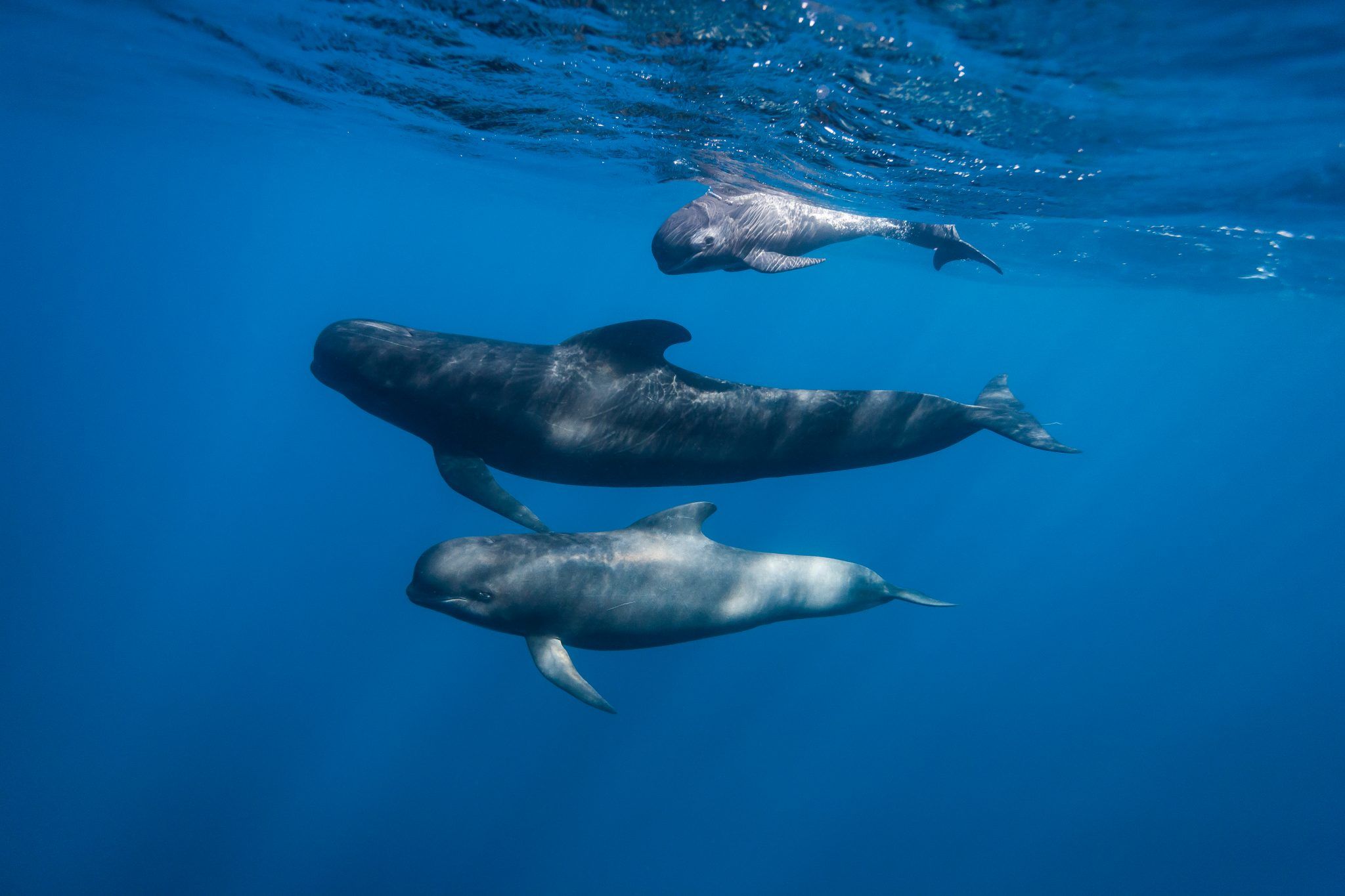
CANARY ISLANDS
The Canary Islands are an essential area for cetaceans, as they are a transit zone on the migratory route, when the animals migrate between Arctic waters during the boreal summer to feed and tropical waters during the boreal winter to breed. It is possible that certain species breed in this area.
Major species listed:
Fin whales, blue whales, humpback whales, sperm whales, sei whales, minke whales, pilot whales, beaked whales.
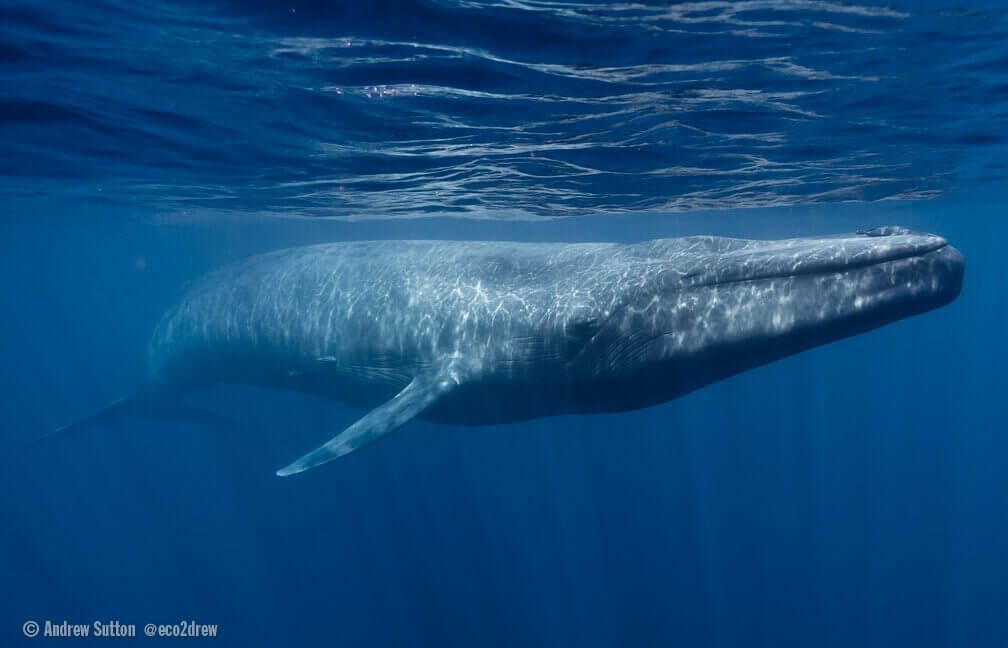
CAPE VERDE
Cape Verde is an essential area for cetaceans, as it is a transit zone on the migratory route, when the animals migrate between Arctic waters during the boreal summer to feed and tropical waters during the boreal winter to reproduce. This is a historic breeding and calving ground for humpback whales during the boreal winter.
Major species listed:
Fin whale, blue whale, humpback whale, sperm whale, sei whale, minke whale, pilot whale, beaked whale.
CAPE OF GOOD HOPE
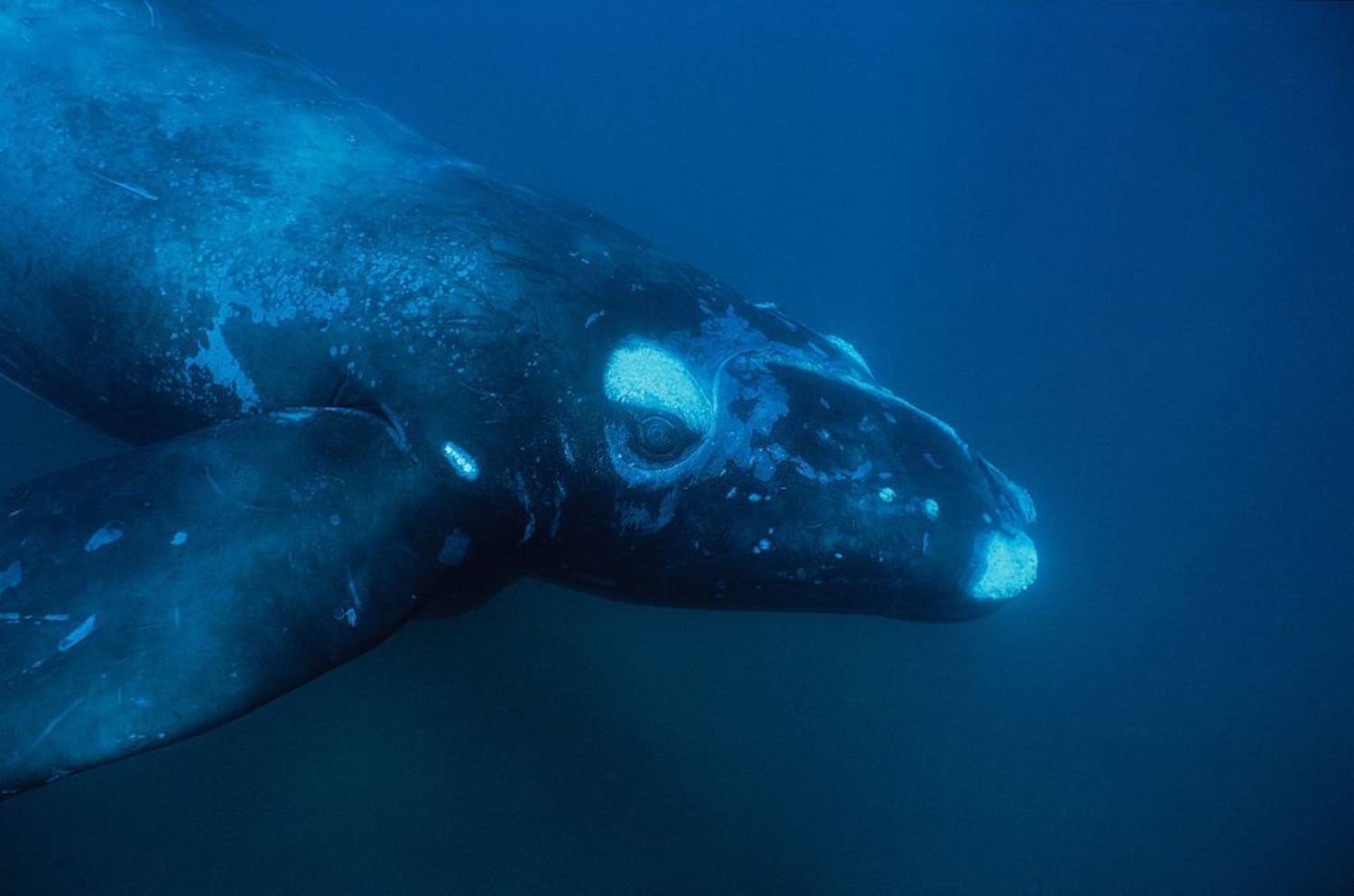
The Cape of Good Hope is an essential area for cetaceans, as it is a passageway on the migratory route, when animals migrate between Antarctic waters during the austral summer to feed and tropical waters during the austral winter to breed. It is also a breeding ground during the austral winter and a feeding ground, particularly for humpback whales and sperm whales during the austral summer.
Major species listed:
sperm whale, humpback whale, fin whale, southern right whale, minke whale, pilot whale, beaked whale.
KERGUELEN ISLANDS
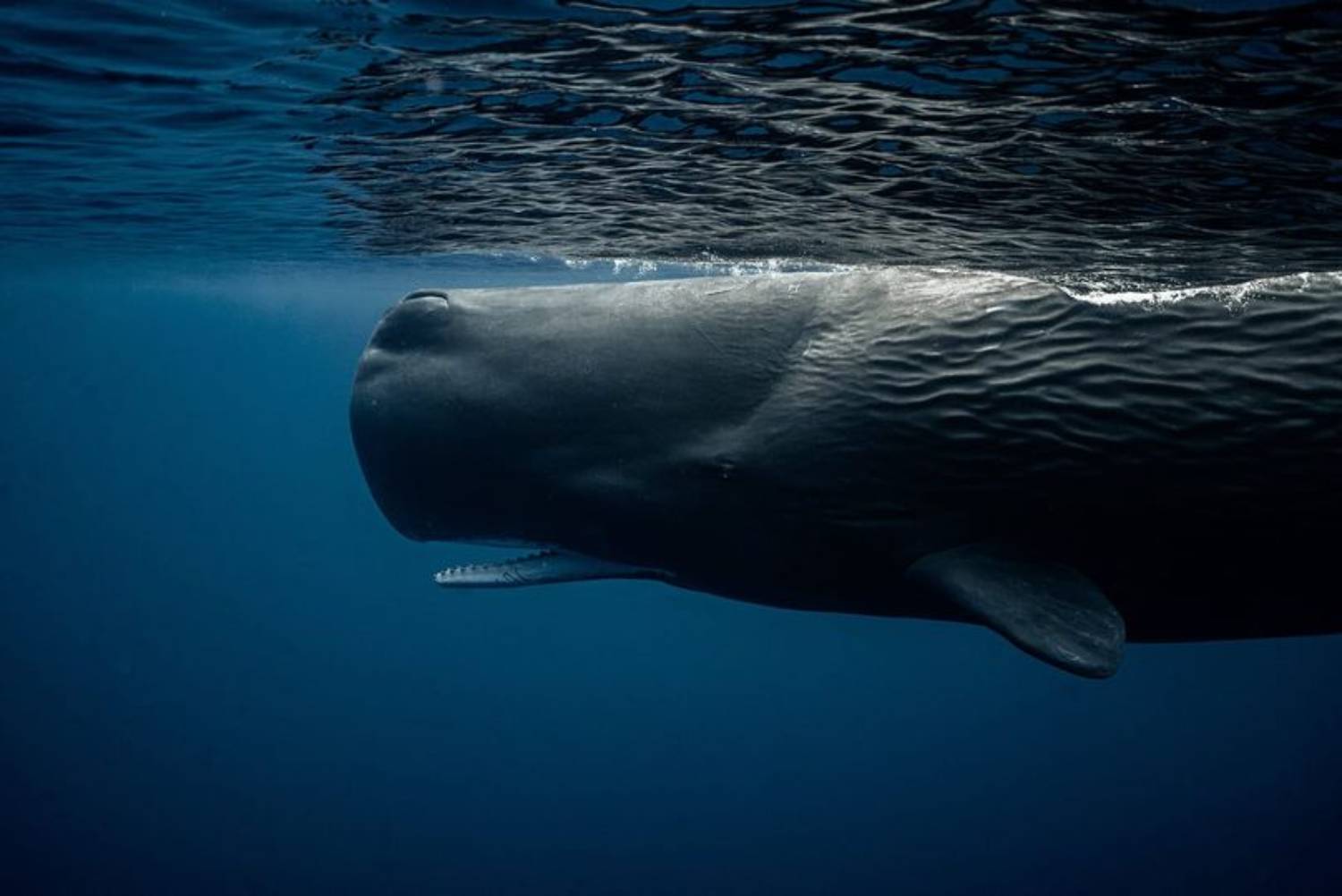
During the austral summer, large cetaceans concentrate in Antarctic waters to feed, particularly to the east of Kerguelen Island. They can form large groups stretching over several kilometres.
Major species listed:
Sperm whales, humpback whales, fin whales, southern right whales, blue whales, minke whales, pilot whales, beaked whales.
CAPE HORN
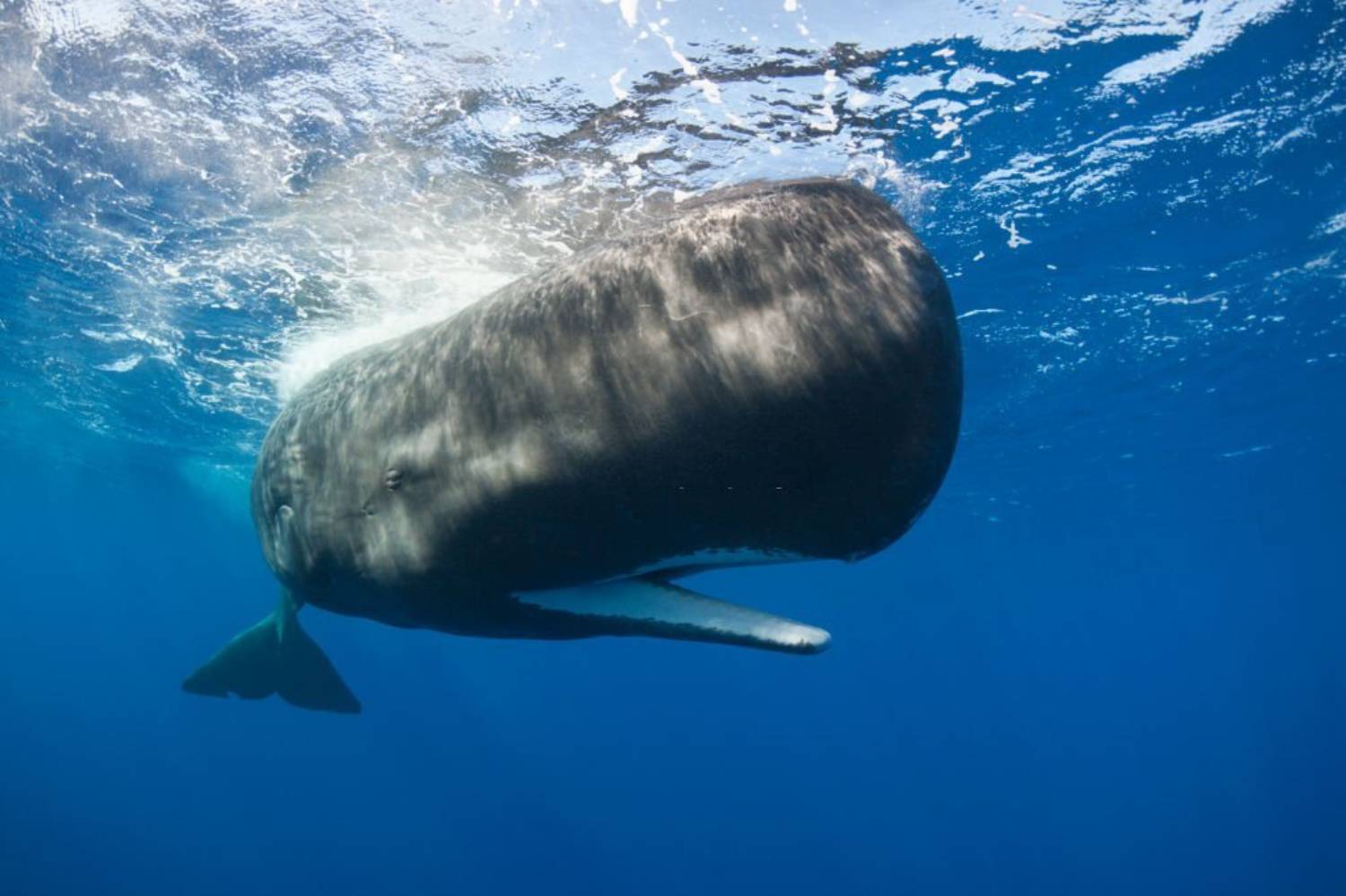
During the austral summer, large cetaceans concentrate in Antarctic waters to feed, particularly around the Antarctic Peninsula, the Sandwich Islands and Cape Horn, to the east of Kerguelen Island. They can form large groups stretching over several kilometres.
Major species listed:
Sperm whales, humpback whales, fin whales, southern right whales, blue whales, minke whales, pilot whales, beaked whales.